
Table of Contents
- How to Choose an Organic Face Oil You Won’t Regret
- The Benefits of Botanical Face Oils for Mature and Reactive Skin
- How to Use Face Oil in Skincare Routine (Without Wrecking Your Other Steps)
- Best Organic Face Oil for Dry Skin: What to Look For
- Top Organic Face Oils You Can Buy Online in 2026
- The Divine Company: certified organic anti-ageing botanicals
- KORA Organics Noni Glow Face Oil
- Clean Nectarine Organic Phyto-Active Face Oil
- biobod Barrier Restore Nutrient Oil
- Go-To Face Hero
- Cliganic Organic Jojoba Oil
- Salt + Glow Ora Ultimate Facial Oil
- The Ordinary 100% Organic Cold-Pressed Rose Hip Seed Oil
- Dermatonics Clearskin Oil
- 100% Pure Super Fruit Facial Oil
- Sustainability Certifications and Sourcing: What to Check Before You Buy
- Final Verdict: Which Organic Face Oil Deserves a Spot on Your Shelf
- Frequently Asked Questions
Last Updated: October 4, 2026
How to Choose an Organic Face Oil You Won’t Regret
If you want to buy organic face oil online in Australia, the fastest way to waste money is trusting the word “natural” on a label. Certified organic face oil is a different product category, and the gap between the two is where most buyers get burned.
We’re The Divine Company. This guide covers certification rules, the comedogenic numbers brands avoid printing, and ten oils worth your money in 2026.
Most guides rank oils by brand prestige. We rank them by what’s in the bottle, starting with the label.
Certified organic vs. natural: what the labels actually mean
In Australia, the Australian Certified Organic standard sets requirements for growing, processing and labelling. ACO certification is your strongest signal that a botanical was grown without synthetic pesticides.
Look for a certification logo and certificate number on the product page. If a brand says “certified” without naming the certifier, that’s a red flag.
Many brands describe themselves as “natural” or “botanical” while using synthetic preservatives and fragrance. Without a named certifier and certificate number, you have no way to verify the claim.
Comedogenic ratings: the number most brands won’t show you
Comedogenic ratings run from 0 to 5, measuring how likely an oil is to clog pores.
If you’re acne-prone or combination-skinned, this number matters more than the marketing story.
Oils rated 0-2 are generally safe for congested skin. Anything rated 3 or above belongs on the body, not the face.
The Benefits of Botanical Face Oils for Mature and Reactive Skin
Botanical face oils replenish the lipids your skin barrier loses over time, most important after 40, when oil production drops and fine lines deepen.
The benefits of botanical face oils come down to three things:
- Essential fatty acids that rebuild the barrier and reduce transepidermal water loss
- Antioxidants such as vitamin E that defend against environmental stressors
- Emollient and occlusive properties that soften skin and seal in hydration
For reactive skin, plant-based oils are often gentler than synthetic emollients. Rosehip, jojoba and marula suit most people with eczema or rosacea.
How to Use Face Oil in Skincare Routine (Without Wrecking Your Other Steps)
Learning how to use face oil in skincare routine is mostly about order, but most guides skip how oil interacts with the actives on your shelf.
Apply thinnest to thickest: cleanser, toner, water-based serum, moisturiser, face oil, then SPF in the morning. Oil sits near the end because it forms an occlusive seal.
Layering compatibility: how oil behaves around vitamin C, retinol and niacinamide
This gap decides whether your routine works.
- Vitamin C (L-ascorbic acid): water-based and pH-dependent. Apply first, let it absorb for a minute, then moisturiser, then oil. Oil underneath slows absorption and reduces the brightening effect. Oil-soluble vitamin C derivatives are the exception, they can sit closer to the oil layer.
- Retinol: oil is a useful buffer. If retinol stings, apply moisturiser, then a drop of oil, then a pea-sized amount of retinol on top. The oil slows penetration, reducing flaking without cancelling the active. Don’t apply oil before retinol on bare skin, you’ll dilute the dose unpredictably.
- Niacinamide: water-based and fine under oil, no known conflict. With a high-percentage serum (10%+), apply it, wait, then moisturiser, then oil.
A simple rule: water-based actives go under oil, oil-soluble actives can go either side, and sunscreen always goes last.
If your skin feels tight after oil, you applied too much or skipped moisturiser underneath. Oil seals hydration in; it doesn’t create it. If a serum suddenly stops working, check whether you moved oil underneath it.
Seasonal adjustments: what changes in summer and winter
Summer (high humidity, UV load): sebum rises and oil sits on the surface longer.
Winter (dry air, indoor heating): the barrier loses water faster and oil production drops.
Spring and autumn: transition windows.
A practical test: if your skin feels comfortable two hours after application, your oil weight is right.
Best Organic Face Oil for Dry Skin: What to Look For
The best organic face oil for dry skin is high in linoleic and oleic acids with a low comedogenic rating.
Dry skin lacks both water and oil. Look for oils pairing fatty acids with antioxidants, repairing and defending the barrier at once.
Avoid anything heavy in coconut or wheat germ oil if you’re prone to congestion.
Top Organic Face Oils You Can Buy Online in 2026

These ten oils cover every skin type and budget. Our own range comes first because it’s built for mature and reactive skin, then nine others.
The Divine Company: certified organic anti-ageing botanicals
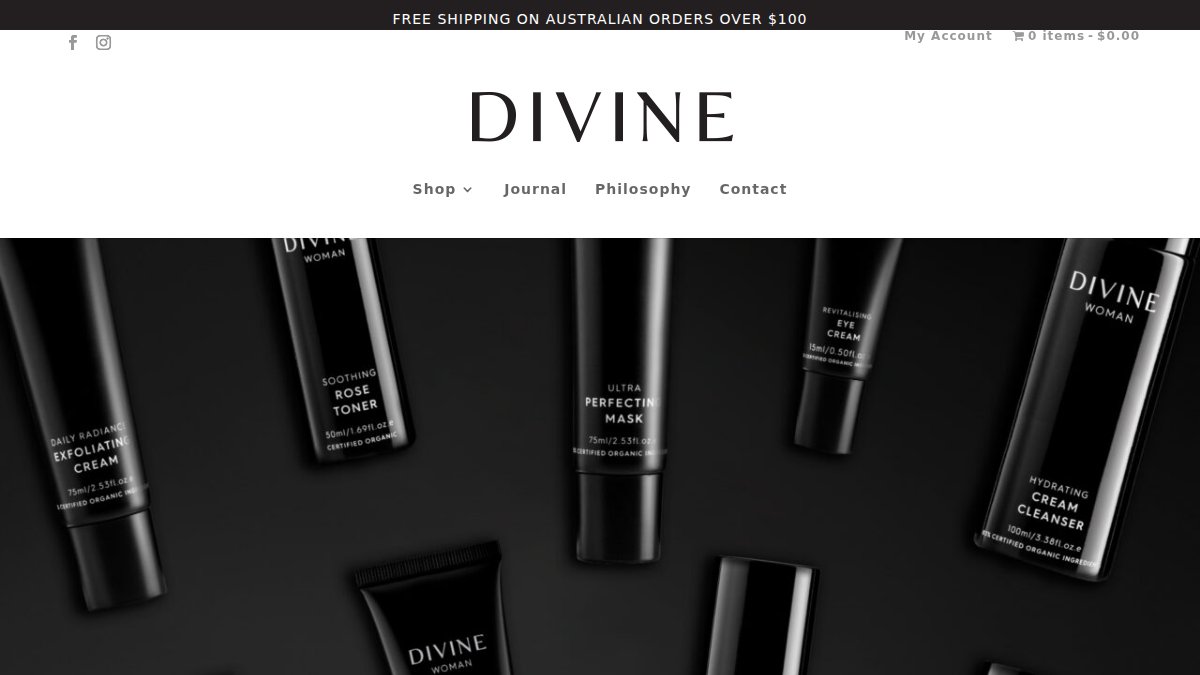
Our certified organic range combines anti-ageing botanicals with essential fatty acid-rich oils, protecting skin from pollutants while delivering antioxidant support.
If fine lines and loss of firmness are your concern, start here. Every product is certified organic, cruelty-free and made for reactive skin.
KORA Organics Noni Glow Face Oil
A certified organic blend of noni, rosehip and pomegranate oils. It absorbs quickly and leaves a bright finish without heavy residue.
Clean Nectarine Organic Phyto-Active Face Oil
A phyto-active botanical blend designed to balance sebum. Free from synthetic fragrance, 30ml. Good for daily maintenance.
biobod Barrier Restore Nutrient Oil
Built for barrier repair with microbiome-friendly ingredients. The 100ml format works out well per millilitre. Best for sensitive skin.
Go-To Face Hero
Ten plant oils including jojoba, macadamia and rosehip, with vitamin E. Lightweight, vegan. A solid all-rounder.
Cliganic Organic Jojoba Oil
Cold-pressed, certified organic jojoba that mimics your own sebum. The ingredient list is one line long. Great value, minimal complexity.
Salt + Glow Ora Ultimate Facial Oil
A small-batch luxury blend focused on elasticity and hydration. Harder to find in retail, but worth the search.
The Ordinary 100% Organic Cold-Pressed Rose Hip Seed Oil
Pure rose hip seed oil, rich in linoleic acid and pro-vitamin A. The scent is strong, but the results on texture speak for themselves.
Dermatonics Clearskin Oil
Formulated for blemish-prone skin with balancing botanicals and non-comedogenic properties. Lightweight, but not for heavy hydration.
100% Pure Super Fruit Facial Oil
Acai, goji and pomegranate deliver a high antioxidant load. Excellent for mature skin, possibly too rich for oily types.
| Product | Approx. Price | Best For | Standout Feature |
|---|---|---|---|
| The Divine Company | See site | Mature, reactive skin | Certified organic, anti-ageing botanicals |
| KORA Noni Glow | $98 | All skin types | Brightening noni and rosehip |
| Clean Nectarine | $85 | Plant-based routines | Sebum-balancing phyto-actives |
| biobod Barrier Restore | $95 | Sensitive skin | 100ml microbiome-friendly format |
| Go-To Face Hero | $68 | Daily hydration | Ten-oil blend with vitamin E |
| Cliganic Jojoba | $25 | Simple routines | Single-ingredient, cold-pressed |
| Salt + Glow Ora | $55 | Artisanal skincare | Small-batch elasticity focus |
| The Ordinary Rose Hip | $18 | Budget buyers | Pure cold-pressed rose hip |
| Dermatonics Clearskin | $68 | Oily, congested skin | Non-comedogenic clarity blend |
| 100% Pure Super Fruit | $70 | Mature skin | Superfruit antioxidants |
Sustainability Certifications and Sourcing: What to Check Before You Buy
Sustainability claims need the same scrutiny as organic ones. A leaf icon is not a certification, and ‘eco-friendly’ has no legal definition in Australia. Here’s what sits behind the logos on product pages.
The certifications worth knowing
- ACO (Australian Certified Organic): the standard referenced earlier. Audits the supply chain from farm to finished product. An ACO bud logo means the botanical inputs were verified against organic growing and processing rules.
- COSMOS Organic and COSMOS Natural: an international standard used across Europe and increasingly by Australian brands selling there. COSMOS Organic requires a minimum percentage of organic ingredients in the total formula (not just the botanical portion), stricter than many ‘made with organic ingredients’ claims. COSMOS Natural certifies natural-origin content without the organic threshold.
- USDA Organic and Ecocert: legitimate certifiers on imported oils, but they audit against their own standards, not ACO’s. A product can be USDA Organic and still not meet ACO labelling rules.
A product can carry several of these. What matters is that the brand names the certifier and shows a verifiable certificate number. ‘Certified organic’ with no named body is a marketing phrase, not a certification.
‘Natural’, ‘botanical’, ‘clean’ and ‘green’ are not regulated terms in Australia. A brand can use all four on a product containing synthetic preservatives and fragrance. Only a named certifier with a verifiable certificate number changes that.
Sourcing: what to actually check
Ask three questions before you buy:
- Where are the botanicals grown? A brand that publishes origin, even at country level, is showing you its supply chain. A brand that won’t say is telling you something too.
- How are they extracted? Cold-pressed and CO2 extraction use less heat and no solvent residue, which preserves more of the fatty acids and antioxidants. Solvent-extracted oils are cheaper but lose some of the actives you’re paying for.
- Is the ingredient list transparent? Full INCI names, no ‘fragrance’ catch-all, no proprietary blend hiding the actives.
Packaging: recyclable, refillable and the honest middle ground
Glass with an aluminium or recyclable dropper is strongest, glass is infinitely recyclable and doesn’t leach. Refill pouches cut packaging weight but are usually soft plastic, harder to recycle kerbside.
A practical hierarchy: refillable glass > single glass bottle > refill pouch > recyclable plastic > unrecyclable mixed-material packaging. If a brand offers a refill, that’s usually the biggest single reduction you can make.
Certification tells you how the botanicals were grown. Sourcing tells you where they came from and how they were extracted. Packaging tells you what happens after you finish the bottle. Check all three, a brand strong on one and silent on the others is usually strong on one only.
Final Verdict: Which Organic Face Oil Deserves a Spot on Your Shelf
For mature or reactive skin, our certified organic range is an excellent choice, anti-ageing botanicals with barrier-supporting oils, every claim backed by certification.
If you want a single-ingredient starter, Cliganic jojoba is a good option. If you want the antioxidant hit, 100% Pure Super Fruit delivers.
Frequently Asked Questions
What are the benefits of using organic face oil?
Organic face oils support the skin barrier by replenishing lipids and reducing transepidermal water loss, which keeps skin hydrated and resilient. Many are rich in essential fatty acids and antioxidants like vitamin E that help defend against environmental stressors and improve the look of fine lines over time. Cold-pressed botanical oils such as rosehip, jojoba and marula also add a natural glow without synthetic fillers, making them a gentle option for reactive or mature skin.
How do I choose the right face oil for my skin type?
Start with your main concern. Dry or mature skin benefits from richer oils like rosehip, argan or marula that provide deep nourishment. Oily or combination skin does better with lightweight, non-comedogenic options such as jojoba or squalane. Sensitive or eczema-prone skin should look for minimal ingredient lists and dermatologically tested formulas. Check the comedogenic rating before you buy, and patch test on your inner arm for a few days before applying to your face.
Is organic face oil better than synthetic alternatives?
Certified organic face oils avoid synthetic fragrances, fillers and certain preservatives that can irritate reactive skin. They also tend to use cold-pressed extraction, which preserves more of the plant’s natural antioxidants and fatty acids. That said, synthetic ingredients aren’t automatically harmful, and some well-formulated conventional oils perform well. If you have eczema, rosacea or dermatitis, a certified organic, free-from formula is often the safer starting point.
Can organic face oil help with anti-ageing?
Yes, when used consistently. Antioxidant-rich oils like rosehip, pomegranate and sacha inchi help neutralise free radicals that contribute to visible ageing. Essential fatty acids support skin elasticity and barrier repair, which can soften the appearance of fine lines. Face oil won’t replace a retinoid, but it works well alongside one, and it’s a gentler option for anyone whose skin can’t tolerate stronger actives.
How should I incorporate face oil into my daily skincare routine?
Apply face oil after your water-based serum and before or mixed with your moisturiser, depending on how rich you want the finish. Warm 2 to 3 drops between your palms and press gently into your face and neck. In the morning, follow with SPF. In the evening, it can be your last step to seal in hydration overnight. If you use a facial massage tool, oil gives enough slip without dragging the skin.
Choosing an organic face oil shouldn’t feel like a gamble on greenwashing. At The Divine Company, we build certified organic formulas that combine anti-ageing botanicals with essential fatty acid-rich oils, protect your skin from environmental stressors, and stay gentle enough for reactive complexions. Shop our range and give your skin the barrier support it’s been missing.
Recent Comments